AI & Automation
Process automation that scales with your business
Finance reconciliation, recruitment screening, document workflows and back office operations, automated inside the systems you already run.
Tell us about your project
A reply from an engineer, not a sequence.
How we build your automation
Discovery
We map your current workflows, identify the manual steps and bottlenecks, and define success metrics: cost saved, time freed, and error rate reduced.
Design
We document the automation logic, plan the system integrations, and define exception-handling rules. You approve the design before the build starts.
Build & Test
We develop the automation and run it in parallel with the existing process, validating accuracy and edge cases before anything goes live.
Deploy & Optimize
We go live with a rollback plan, monitor performance metrics, and iterate on real-world data so the automation keeps paying off.
What we automate
Business process automation
We map workflows, define rules, and automate repeatable steps within your existing systems, without rewriting your core software.
Robotic process automation (RPA)
Software bots that log into applications, move and enter data, and handle exceptions, including legacy systems you cannot modify.
Document processing & OCR
Extract structured data from PDFs, images and scans, and route documents based on their content, with no manual data entry.
Finance & back-office
Invoice matching, expense reconciliation, journal-entry automation and payment processing, with compliance tracking built in.
Recruitment & HR operations
Resume screening, candidate data extraction, interview scheduling and offer-letter generation to reduce time-to-hire.
Sales operations
Lead enrichment, CRM population, quote generation and contract routing, so your sales team keeps selling rather than administering.
Our case studies
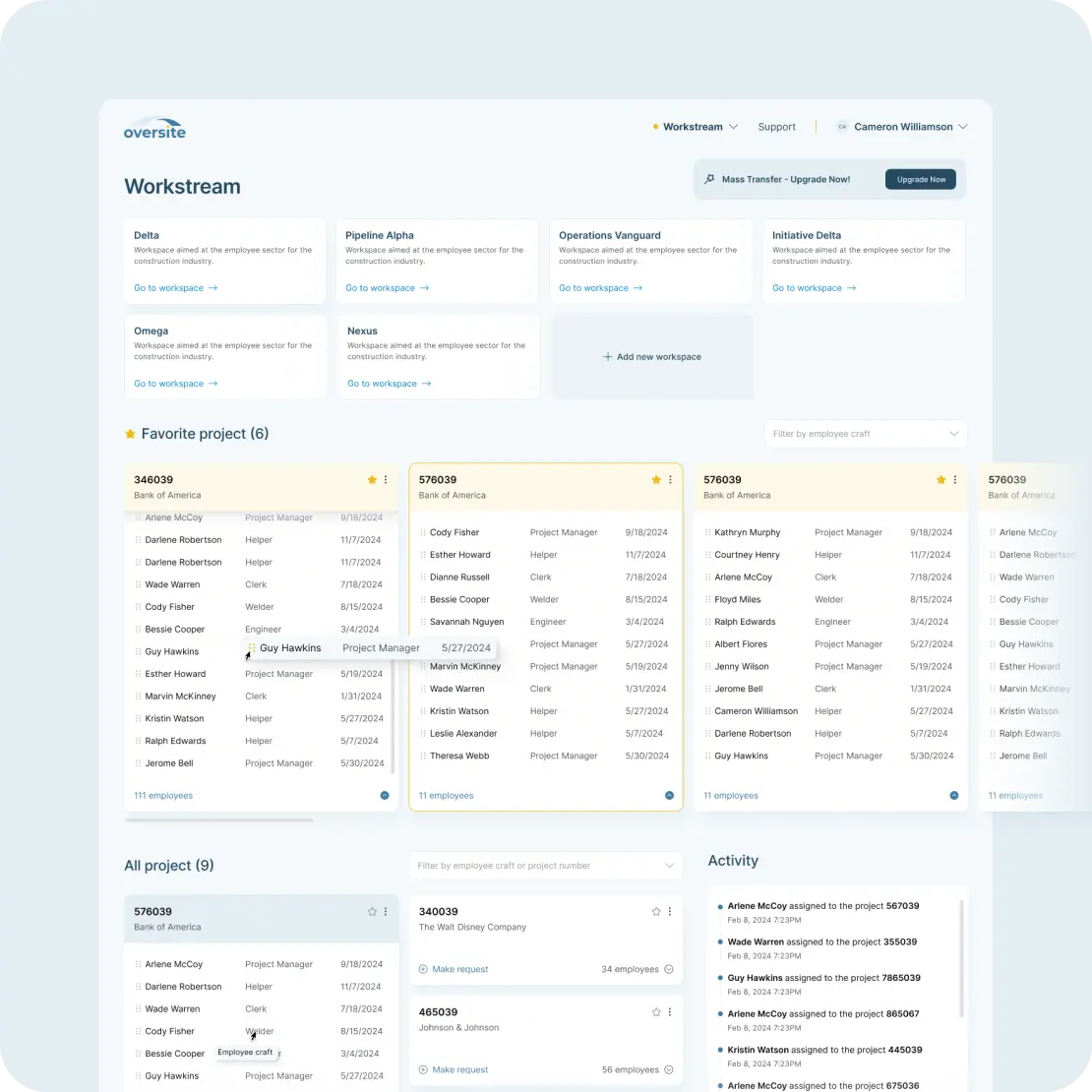
See all case studies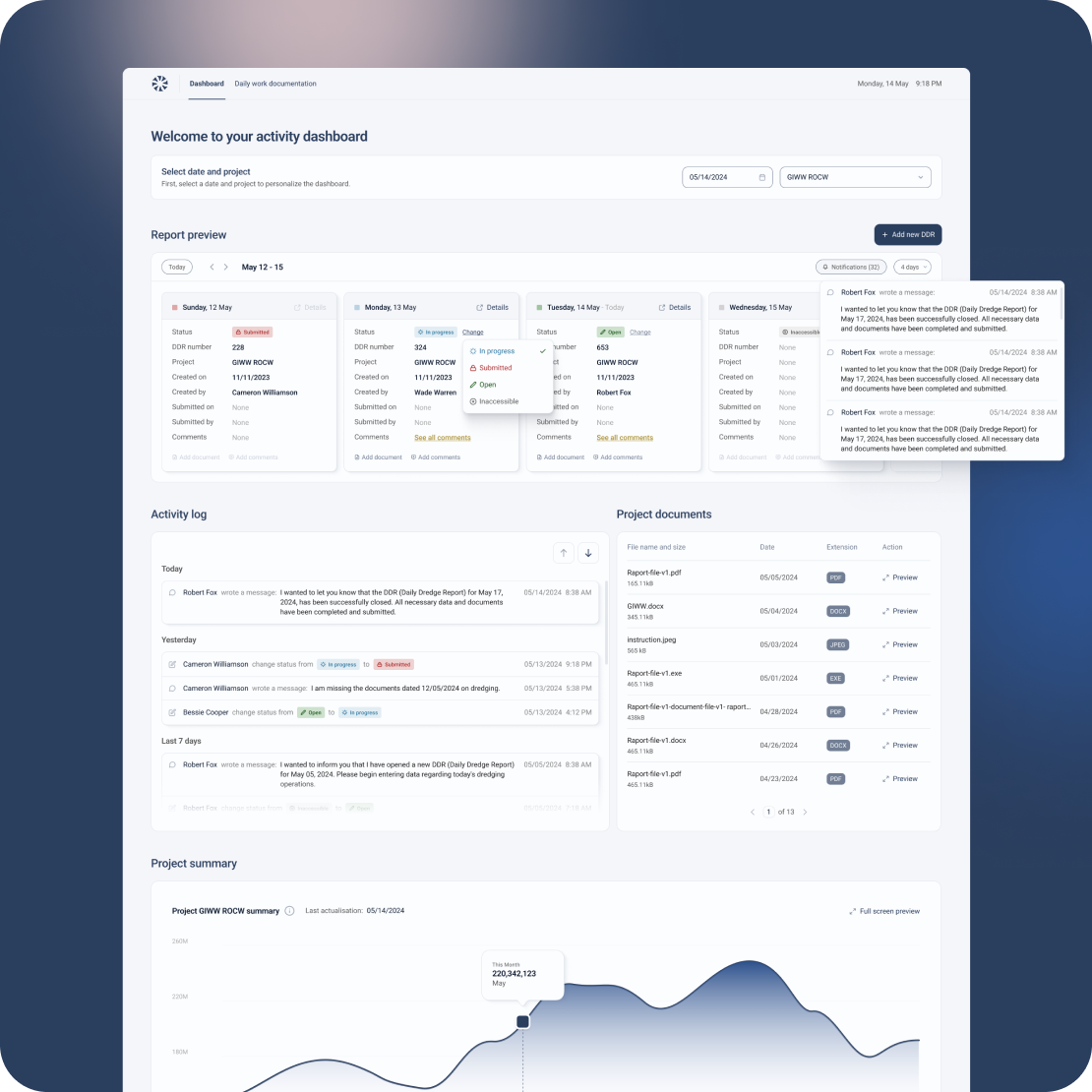


Common questions
What is business process automation?
Business process automation (BPA) maps a workflow, defines its rules, and automates the repeatable steps. It works within your existing systems and data flows rather than replacing them.
What is the difference between RPA and business process automation?
RPA uses software bots to interact with applications the way a user would. Business process automation integrates systems directly via APIs and workflows. Many processes use both, depending on the systems involved.
Which processes can Oligamy automate?
Any process with defined rules and repeatable steps: finance (invoicing, reconciliation), recruitment (resume screening, data entry), customer operations (onboarding, support tickets), HR (approvals, requests), and back-office work.
How does a process automation project start?
With process discovery: documenting current workflows, measuring bottlenecks, and estimating ROI, then designing the automation and proposing a build schedule.
What is the ROI and timeline for process automation?
It depends on the process. High-volume, rule-based work such as invoice matching or data entry tends to return the most. Simple automations can deploy in weeks; complex integrations typically take longer. Oligamy provides a cost-benefit analysis during discovery.
Contact Us!
Interested in automating your processes with Oligamy Software? Contact us to schedule a process discovery workshop.
Contact us: hello@oligamy.com